Our Why
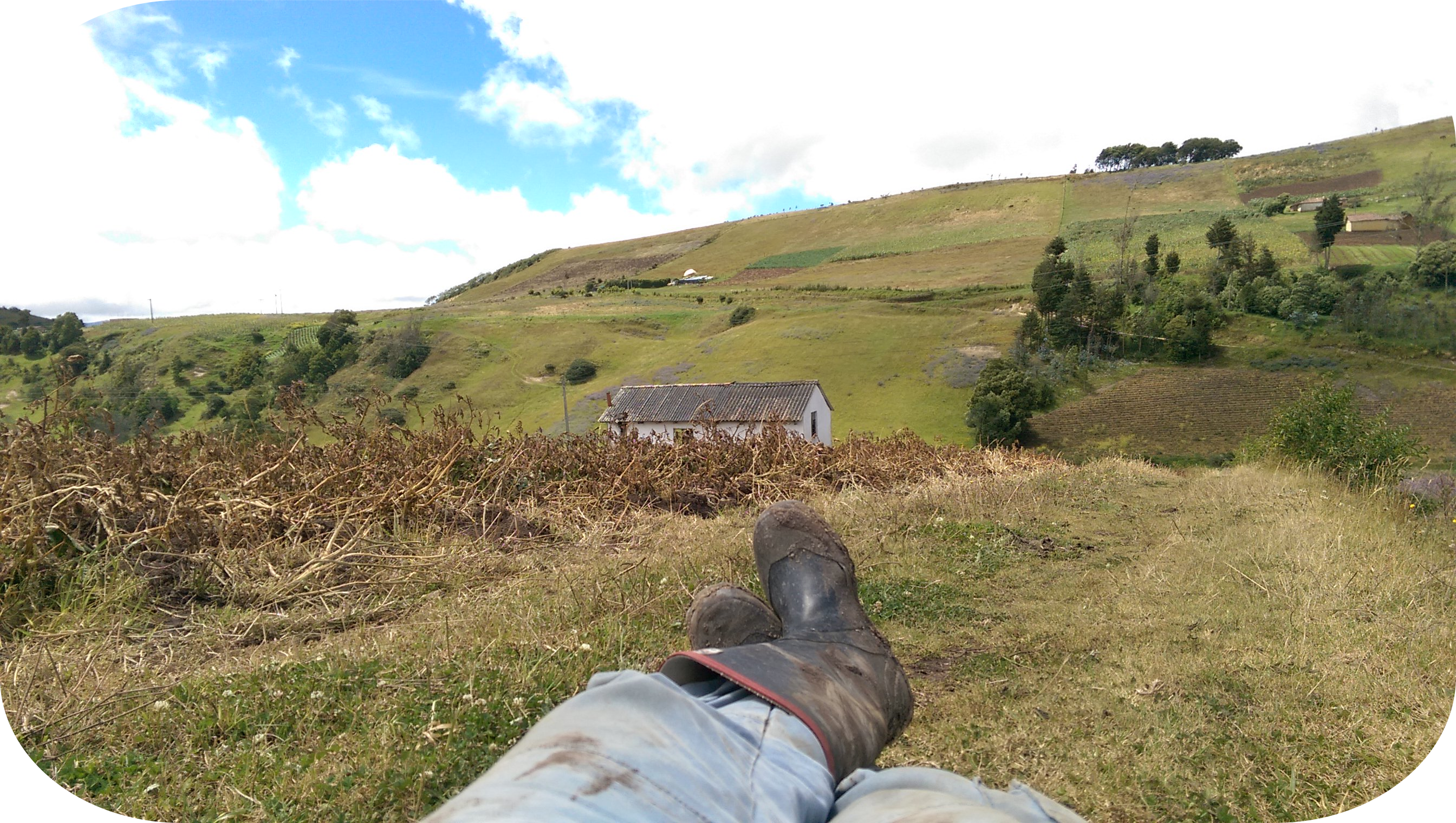
Our Tropical High-Mountain Ecosystems are considered to be transformed by a 70% to 93% extent, since the 1800’s until today, placing them as one the 17 threatened ecosystems in the category Endangered (EN), given by the International Union for Conservation of Nature-UICN.
With this in mind, it is clear that these tropical high-mountain ecosystems, that sustained our life style and health until the present days, are in need of a specific set of actions that restore their lost balance.
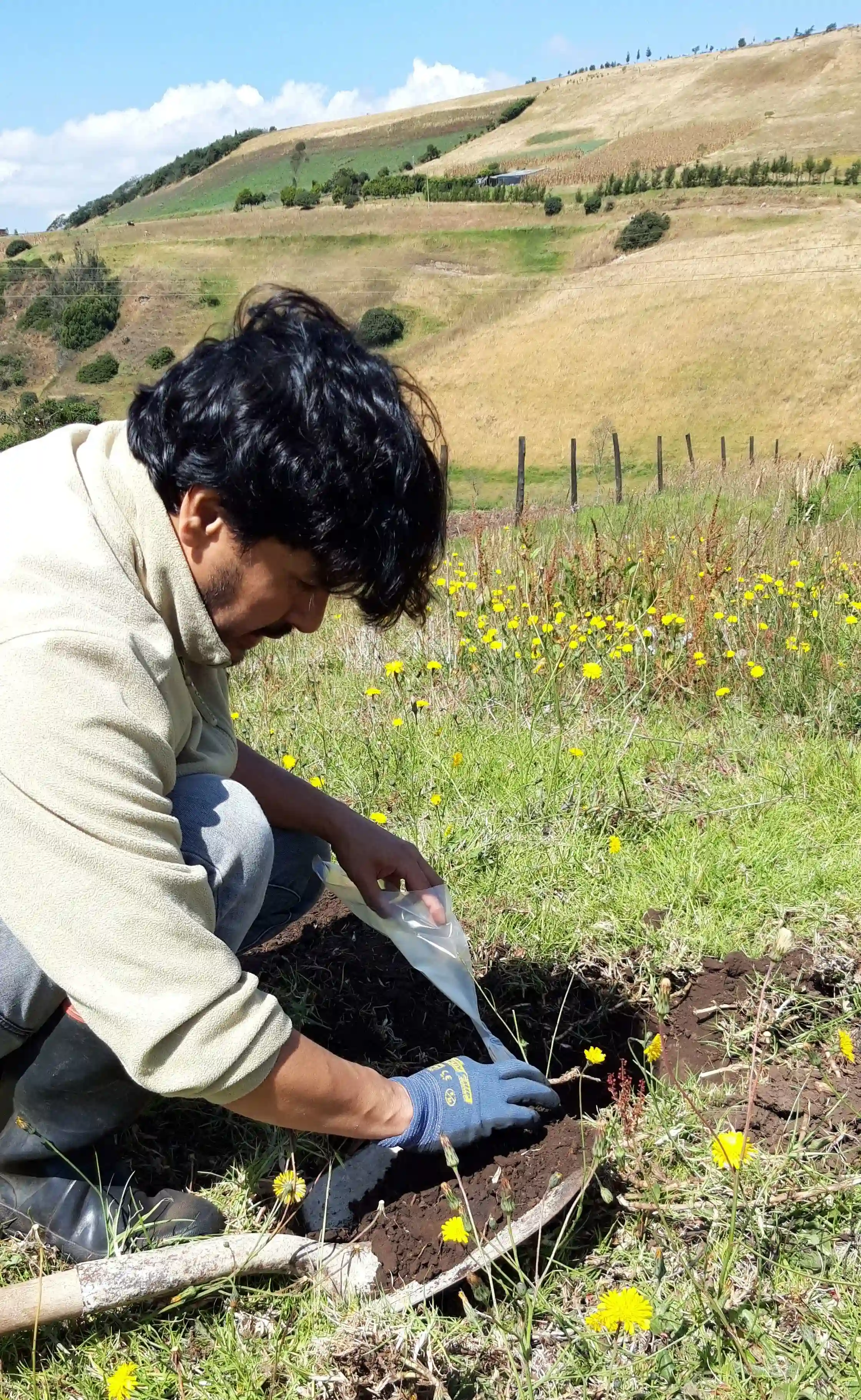
This is the reason why we decided to start looking for solutions from the top. Literally from the top of our mountains, by establishing GUA·QUYE as a project where we nurture ideas that improve cohabitation of humans and nature, making feasible our priority ―to restore and protect tropical high-mountain ecosystems―, while we support local communities.
Here, at GUA·QUYE, we are doing more that planting trees! We are building projects aimed to tackle rural complexity, globally and especially in Colombia (Altiplano Cundi-boyacense) where we are located.
Thus, our projects support the establishment of Agroforestry systems, increasing crop diversity and ecosystem services, considering water conservation, re-establishing sustainable construction methods on mountain regions, gender strengthening, open science, and much more!
These projects are conceived for the benefit rural communities by building bridges among their collective needs and different stakeholders, especially those with scientific, social, and cultural backgrounds, to increase our chances to thrive. Therefore, our work includes an educational component to achieve our goal of improving human and nature cohabitation.
We consider GUA·QUYE as a developing experience within the frame of The Water, Energy, Food + Forest (WEF+F) Nexus approach, allowing us to put our ideas in one physical space one tropical high-mountain ecosystems of Colombia.
Meaning of ‘GUA·QUYE’
Words on indigenous languages usually imply complex concepts instead of an unique meaning.
Our name, in Muisca language, combines two words: the first one is ‘GUA’, associated with the concept ‘High-land covered with plants and trees’; and the second is ‘QUYE’, associated with the concept of ‘wood and trees’.
We decided to include also a ‘dot’ between both words, to connect this complexity and to represent the possibility of multiplying what we do.
At GUA·QUYE, we are aware that everything is connected. What happen at the top of our mountains influences what occurs at the bottom part and vice-versa. Thus, by protecting the Tropical High-Mountain ecosystems of Colombia, we are having a positive impact on the entire planet!
Moreover, our results can be replicated around the globe and we are making sure that our achievements, and also our mistakes, are shared among others for a continuous and efficient learning process"
Our Partners
These are some of GUA·QUYE’s most trusted partners: